A compromised skin barrier is one of the most common and consequential concerns in modern professional aesthetics, and also one of the most frequently undertreated. The stratum corneum functions as the skin’s primary protective interface, regulating moisture loss, excluding environmental irritants, and maintaining the conditions that allow the deeper layers to function effectively. When this barrier is impaired, whether through chronic dehydration, overuse of active ingredients, environmental exposure, or underlying conditions such as rosacea, the skin becomes reactive, sensitive, and resistant to many standard professional treatment approaches.
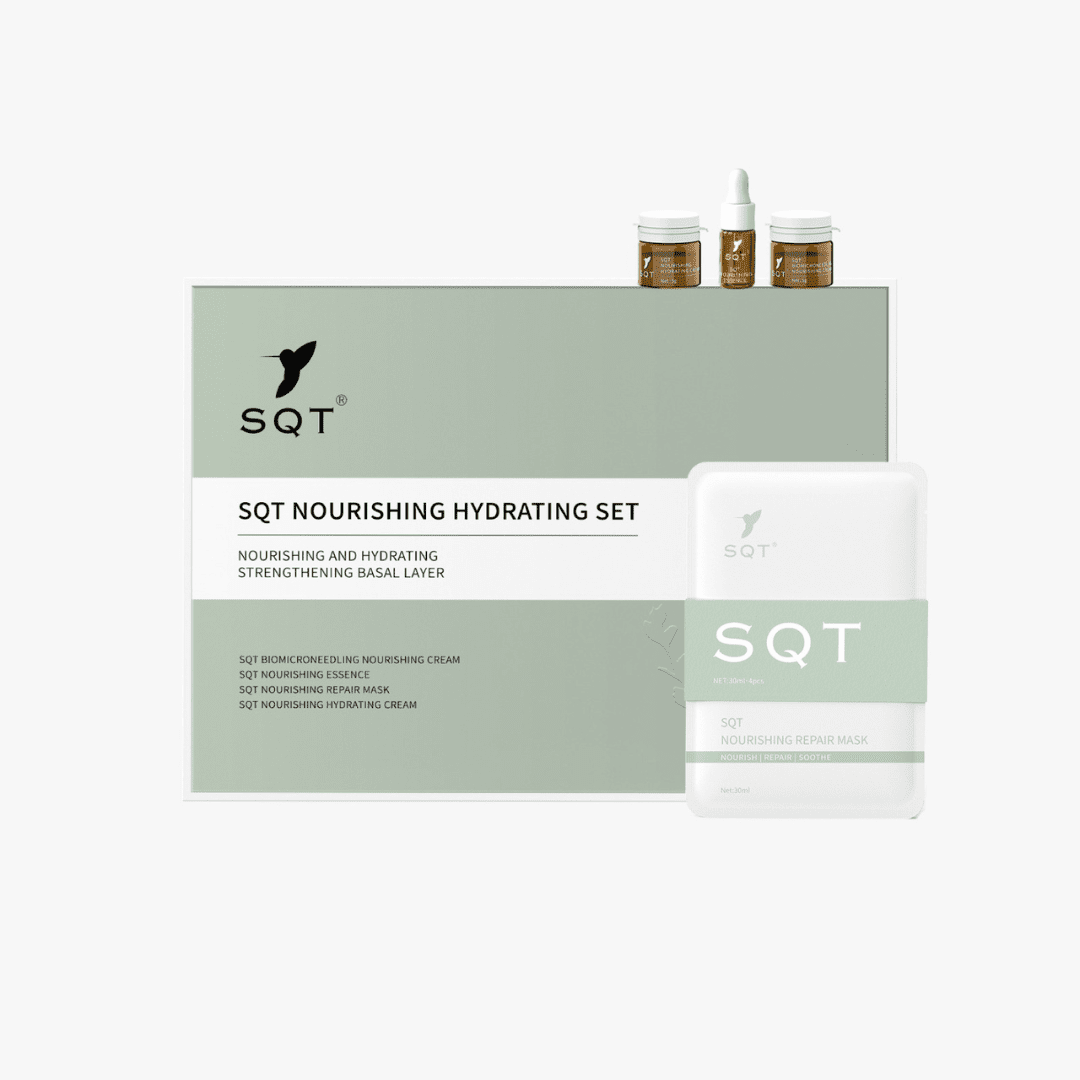
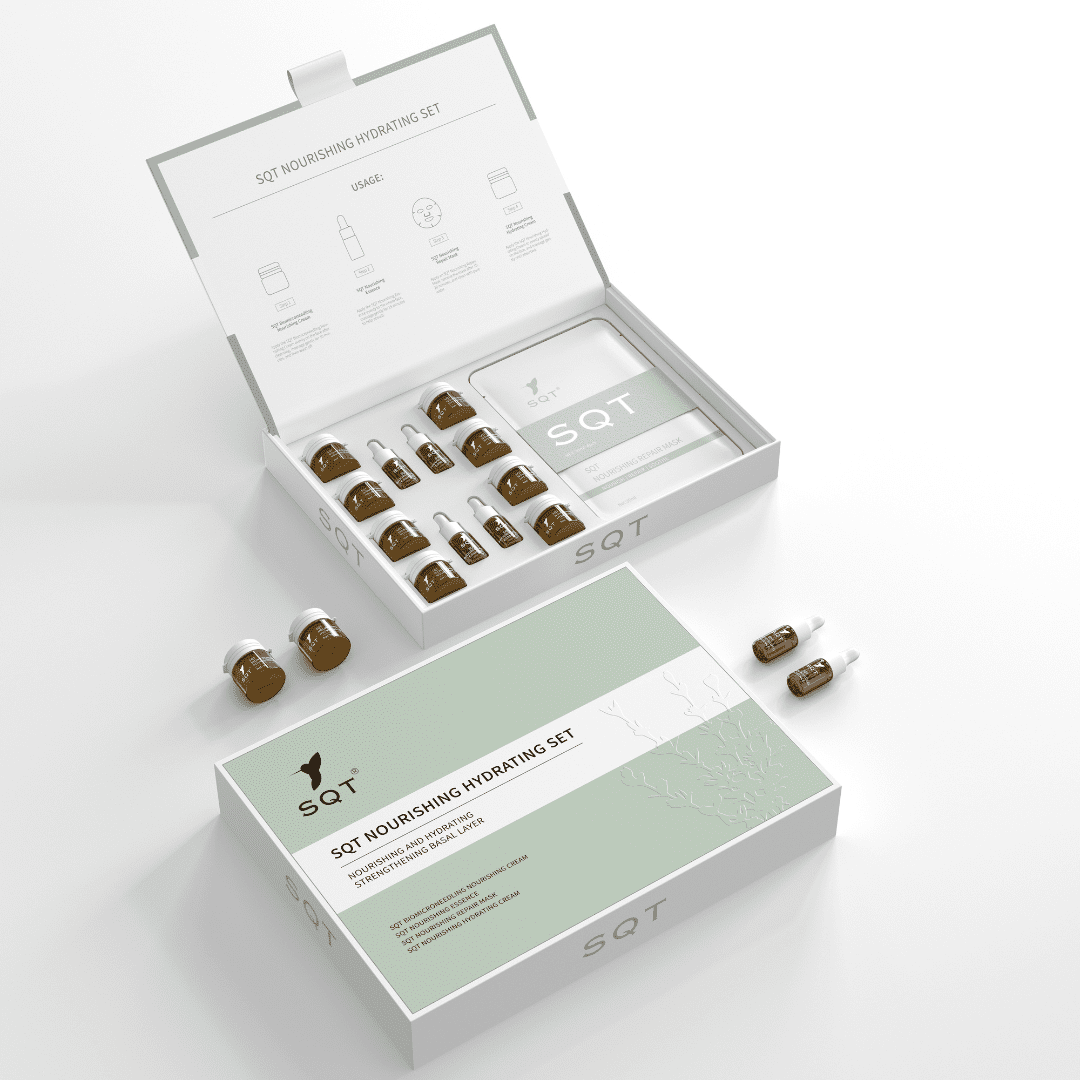
The Nourishing Hydrating Set from SQT Bio Microneedling is designed specifically for this profile. It uses a low-density bio microneedling mechanism to support barrier recovery and improve the penetration of hydrating actives, without the inflammatory burden that makes conventional resurfacing inappropriate for this skin type. This assessment examines the mechanism, the formulation rationale, and what realistic treatment expectations look like for sensitive and compromised skin.
How it works
The Nourishing Hydrating Set uses one million hydrolysed sponge spicules per application, a significantly lower density than the other sets in the SQT range. This is not a limitation. It is a deliberate design choice that reflects an accurate understanding of what a compromised barrier needs and, more importantly, what it cannot tolerate.
When the skin barrier is impaired, the stratum corneum is already structurally compromised. The lipid matrix that holds the barrier together is disrupted, transepidermal water loss is elevated, and the skin’s capacity to manage inflammatory signals is reduced. In this context, a high-density mechanical stimulus would not accelerate recovery. It would add to the inflammatory burden the skin is already struggling to manage. The lower spicule density creates micro-channels sufficient to improve the penetration of the hydrating actives in the formulation without generating a level of mechanical stimulus that could provoke a reactive response in an already sensitised profile. The treatment objective here is not intensive cellular turnover. It is targeted active delivery and gentle structural support.
The micro-channels created by the liquid microneedling application support the delivery of hydrating actives to the deeper epidermal layers, where they can influence the skin’s moisture-retention mechanisms more effectively than surface application alone allows. This supports an inside-out renewal process focused on barrier restoration rather than surface correction, which is the correct treatment objective for skin that is compromised rather than simply congested or structurally aged. The distinction between those two objectives is one of the most clinically important distinctions in professional aesthetics, and it is what makes the Nourishing Hydrating Set a different category of treatment from the rest of the SQT range rather than simply a lighter version of it.
What is in it and why
The most distinctive ingredient in the Nourishing Hydrating Set is Myrothamnus flabellifolia, an extract derived from a southern African resurrection plant with a documented capacity to survive almost complete desiccation and recover full cellular function upon rehydration. In a cosmetic context, research into this extract has focused on its role in supporting aquaporin function within the skin.
Aquaporins are the transmembrane protein channels through which water molecules move across cell membranes. Their activity is a significant determinant of cellular hydration levels, and their function can be disrupted by the same conditions that impair the barrier more broadly. Supporting aquaporin function addresses internal hydration at a cellular level rather than simply reducing transepidermal water loss through surface occlusion. This is a more mechanistically complete approach to the dehydration concern profile, and it is what makes Myrothamnus flabellifolia the most ingredient-distinctive choice in the entire SQT range. Standard humectants draw water to the surface of the skin. This ingredient supports the skin’s own capacity to move and retain water at a cellular level, which is a different mechanism with a different clinical significance.
Fibronectin is included to support cellular adhesion and tissue repair during the renewal phase, promoting a controlled and organised regenerative response as the spicule cycle progresses. In compromised skin, the extracellular matrix that supports cellular organisation is often disrupted alongside the barrier itself. Fibronectin plays a structural role in this matrix, and its inclusion in the formulation reflects an understanding of what the compromised skin environment looks like at a cellular level, not just at the surface.
The formulation also incorporates what SQT describes as bionic sebum technology, a lipid complex designed to mimic the skin’s natural lipid profile and reinforce the structural integrity of the barrier during and after treatment. The specific composition of this complex is proprietary to SQT and its clinical evidence base could not be independently verified at the time of this assessment. Its intended function, reinforcing the lipid matrix of the stratum corneum rather than providing surface occlusion alone, is mechanistically appropriate for the barrier recovery objective. TAG notes the proprietary nature of this component and will review its evidence base as further information becomes available.
What to expect and what to know
The treatment experience with the Nourishing Hydrating Set is generally milder than with the higher-density sets in the SQT range. The reduced spicule count produces a gentler application sensation, though a mild prickly feeling on integration is still typical and confirms that the spicules are engaging with the tissue. Redness following application is usually mild and resolves more quickly than with resurfacing-focused treatments. In the 24 to 72 hours following application, the skin should be kept gently hydrated and protected from environmental stressors. Fragrance, active exfoliants, and products containing high concentrations of vitamin C or retinoids should be avoided during this period. The skin may feel calmer, more comfortable, and more resilient as the renewal phase progresses.
This treatment is suitable for sensitive and rosacea-prone profiles, but individual tolerance should be assessed before commencing a full treatment course, particularly for skin with active inflammatory rosacea or conditions requiring medical management. It is not a replacement for medical treatment of chronic barrier conditions such as eczema, perioral dermatitis, or severe rosacea. It works most effectively as a complementary approach within a broader skin health protocol rather than as a standalone corrective treatment for these conditions. A course of 3 to 4 treatments, spaced 4 to 6 weeks apart, is generally recommended for barrier recovery and hydration concerns, with frequency adjusted based on individual skin response and practitioner assessment.
The mechanism is well-suited to the concern profile and the formulation is coherent for compromised and sensitive skin. Myrothamnus flabellifolia is the most ingredient-distinctive active in the SQT range, and its aquaporin-supporting mechanism represents a more sophisticated approach to internal hydration than conventional humectants. The evidence base specific to its cosmetic application remains developing compared to more established hydrating actives. The bionic sebum technology is a brand-proprietary descriptor whose specific composition and clinical evidence base could not be independently verified at the time of this assessment. The rating reflects these evidence considerations and will be reviewed as further independent research becomes available.